Introduction to Dog Nutrition
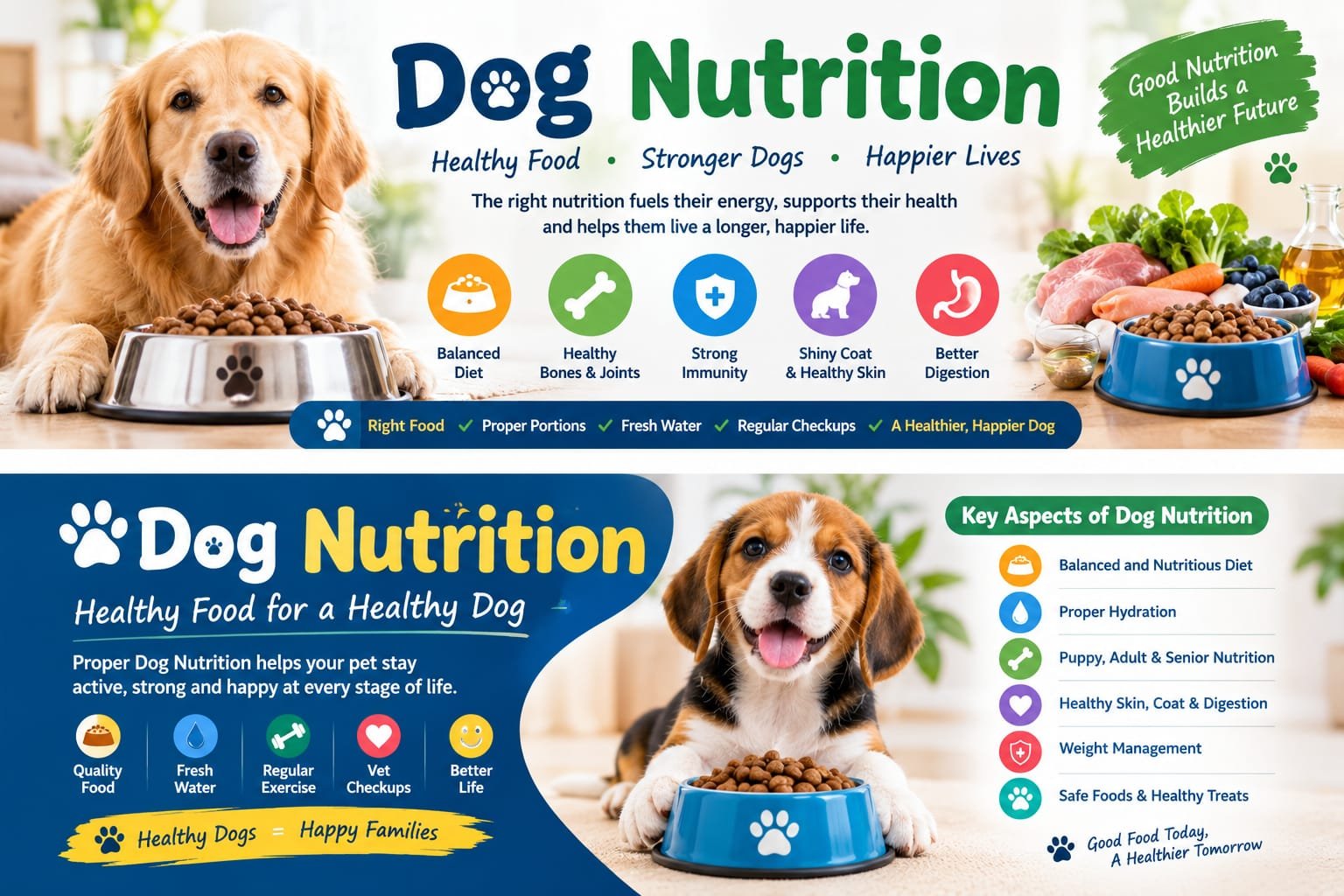
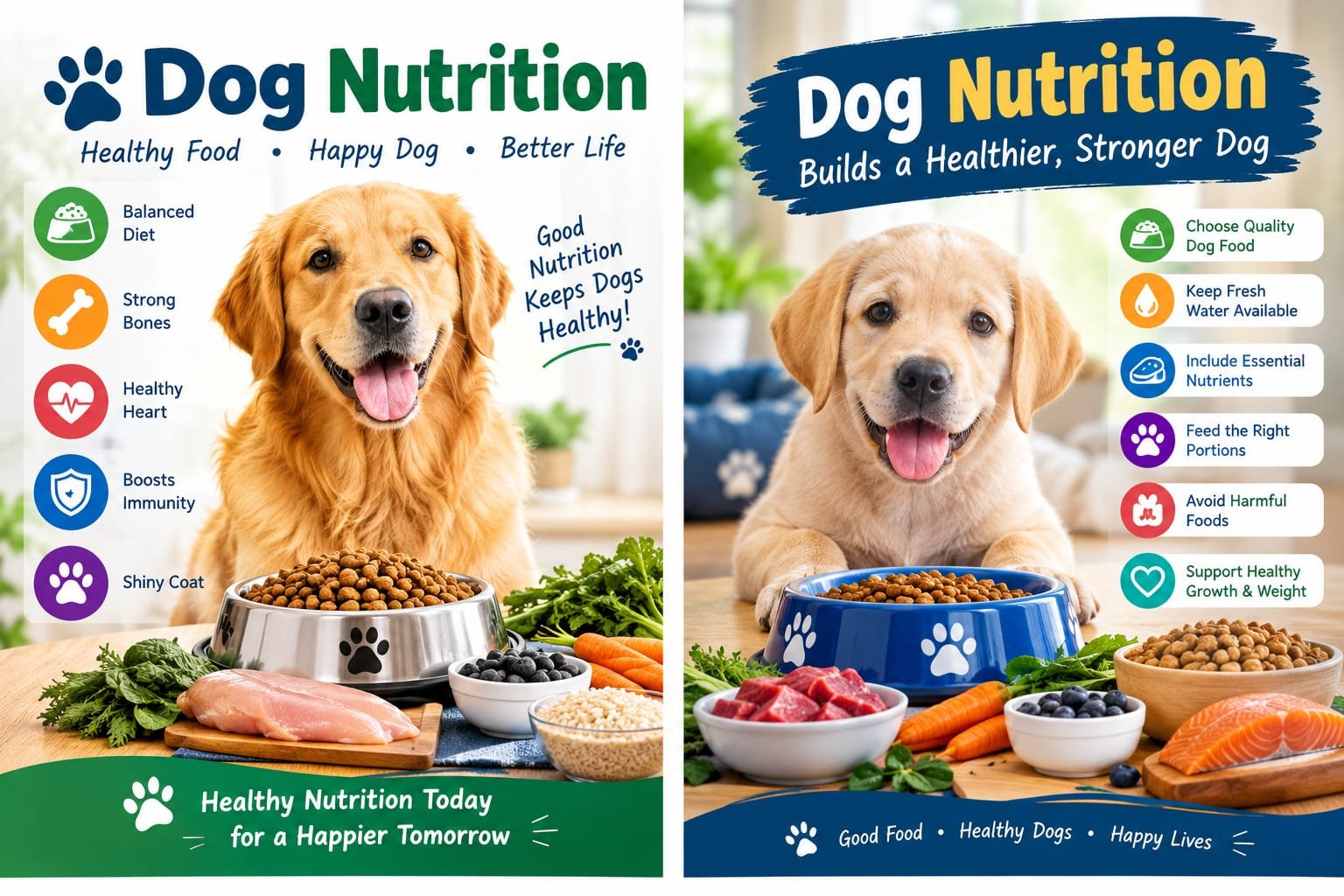
Dog Nutrition is one of the most important parts of keeping your pet healthy, active, and happy. Dogs need a balanced diet that provides the nutrients required for growth, energy, strong muscles, healthy skin, and normal body functions. Choosing appropriate food can support your dog’s well-being throughout every stage of life.
Every dog has different nutritional needs. Puppies require nutrients to support growth, adult dogs need food that maintains their health, and senior dogs may benefit from diets designed around their changing needs. Breed, size, activity level, and medical conditions can also influence feeding requirements.
Understanding Dog Nutrition helps pet owners make informed decisions about commercial dog food, homemade meals, portion sizes, treats, and feeding schedules. Instead of choosing food based only on price or appearance, owners should focus on nutritional quality, safety, and suitability for their pets.
This guide explains the essential nutrients dogs need, how to select appropriate food, and how to establish healthy feeding habits.
Why Is Dog Nutrition Important?
Proper Dog Nutrition supports many essential functions in a dog’s body. A balanced diet provides energy for daily activities, helps maintain muscles, supports healthy skin and coat, and contributes to normal immune function.
Poor feeding practices can lead to nutritional deficiencies, excessive weight gain, digestive problems, or other health concerns. Feeding too much can be just as problematic as providing an unbalanced diet.
A complete and balanced diet should contain the nutrients a dog needs in appropriate amounts and proportions. Dogs should not rely on table scraps or a single food ingredient as their main source of nutrition.
Pet owners should also understand that more expensive food is not automatically better for every dog. The best choice is a nutritionally appropriate food that suits the dog’s life stage, health needs, and feeding requirements.
Essential Nutrients Dogs Need
Understanding Dog Nutrition begins with learning about the main nutrients required for normal health. Each nutrient has a different role, and an appropriate balance is essential.
- Protein
Protein supports muscle development, tissue repair, and the production of important body substances. Dogs obtain protein from ingredients such as meat, fish, eggs, and certain plant sources.
The quality and digestibility of protein matter, but a dog’s overall diet must also supply the right amounts of other nutrients. Puppies, active dogs, and animals with certain health conditions may have different requirements.
Choose a complete dog food formulated for your pet’s age and needs rather than adding large amounts of protein without professional guidance.
- Healthy Fats
Fats provide concentrated energy and help dogs absorb fat-soluble vitamins. They also supply essential fatty acids that support skin, coat, and normal body functions.
Fish oils and certain animal or plant fats may be included in appropriately formulated dog foods. However, adding oils or fatty table foods without adjusting the overall diet can increase calorie intake and may upset digestion.
- Carbohydrates
Carbohydrates can provide energy and contribute useful nutrients and fiber. Ingredients such as rice, oats, and other grains may be used in complete dog foods.
Dogs can digest properly prepared carbohydrates. Grains are not automatically harmful, and grain-free food is not necessary for every dog.
If your pet has suspected food allergies or digestive issues, consult a veterinarian before making major dietary changes.
- Vitamins and Minerals
Vitamins and minerals support bone development, nerve function, metabolism, and other important processes. Calcium and phosphorus, for example, need to be supplied in appropriate proportions for healthy bones.
Dog Nutrition depends on balance, not simply adding more supplements. Excessive amounts of certain vitamins and minerals can cause harm.
Never give your dog human vitamin supplements or large amounts of calcium unless a veterinarian recommends them.
- Water
Water is essential for digestion, circulation, temperature regulation, and many other body functions. Dogs should have regular access to clean, fresh drinking water.
Monitor changes in drinking habits, particularly if your dog suddenly begins drinking much more or less than usual. Persistent changes should be discussed with a veterinarian.
Choosing the Best Food for Your Dog
Selecting suitable food is a key part of Dog Nutrition. Look for a complete and balanced product appropriate for your dog’s life stage.
Read the packaging to identify the intended life stage, feeding guidance, nutritional adequacy statement where applicable, and manufacturer information. A reputable manufacturer should be able to provide details about its nutritional standards and quality-control practices.
Dry food, wet food, and some commercially prepared fresh foods can all be suitable when properly formulated. The best option depends on nutritional completeness, cost, convenience, and your dog’s individual needs.
Avoid choosing food based only on attractive packaging or marketing claims. If your dog has a medical condition, food allergies, or special dietary requirements, seek veterinary advice before switching products.
Puppy Nutrition and Growth
Puppies grow quickly and need carefully balanced nutrition. Dog Nutrition during early development supports the formation of bones, muscles, organs, and other tissues.
Choose a complete puppy food designed for the expected adult size of your dog. Large-breed puppies often need specially controlled nutrient levels to support appropriate growth.
Young puppies usually require more frequent meals than adult dogs. Follow the food manufacturer’s guidance and your veterinarian’s recommendations for portion sizes and feeding frequency.
Avoid giving puppies unbalanced homemade diets or unnecessary supplements. Too much calcium or an unsuitable nutrient balance can interfere with healthy skeletal development, especially in large-breed puppies.
Regular weight checks help determine whether your puppy is growing appropriately.
Nutrition for Adult Dogs
Adult Dog Nutrition focuses on maintaining a healthy body condition, supporting normal activity, and meeting daily energy requirements.
Choose food formulated for adult maintenance unless your veterinarian recommends a different diet. The amount required depends on body size, activity, metabolism, and individual circumstances.
Measure meals consistently instead of estimating portions. Adjustments may be needed if your dog gains or loses weight, becomes more active, or experiences changes in health.
Treats should be included in the overall daily calorie allowance. As a general guideline, treats should provide no more than about 10% of daily calories, with the remaining calories coming from a complete and balanced diet.
Nutrition for Senior Dogs
As dogs age, their activity levels, body condition, and health needs may change. Senior Dog Nutrition should reflect these differences rather than follow one universal formula.
Some older dogs need fewer calories because they are less active, while others may lose muscle or have medical conditions that affect their nutritional requirements.
A veterinarian can help determine whether your senior dog needs a different food, modified portions, or a therapeutic diet. Dental problems, reduced appetite, digestive changes, and mobility difficulties may also affect feeding.
Regular health checks can help identify problems early and support appropriate dietary decisions.
Healthy Feeding Schedules and Portion Sizes
Consistent feeding routines help owners monitor appetite and manage food intake. Many adult dogs do well with two measured meals per day, although individual circumstances may require a different schedule.
Puppies often need several smaller meals, depending on their age and feeding plan. Follow veterinary guidance and the instructions provided with the food.
Dog Nutrition also involves controlling portions. Feeding recommendations on packaging are useful starting points, but individual dogs may need more or less food.
Use a measuring cup or kitchen scale to keep portions consistent. Monitor your dog’s body condition and adjust the amount gradually when appropriate.
Avoid suddenly changing meal sizes or introducing several new foods at once, as these changes may cause digestive upset.
Foods Dogs Should Avoid
Safe Dog Nutrition includes knowing which foods can be dangerous. Some common human foods are toxic to dogs, even in relatively small amounts.
Avoid feeding your dog:
- Chocolate and products containing cocoa.
- Grapes and raisins.
- Onions, garlic, and related ingredients in concentrated forms.
- Products containing xylitol, an artificial sweetener found in some sugar-free foods.
- Alcohol and caffeinated drinks.
- Macadamia nuts.
- Cooked bones that may splinter or cause digestive injuries.
Keep rubbish, medicines, and potentially toxic foods out of reach. If your dog eats a potentially poisonous substance, contact a veterinarian or animal poison service immediately. Do not induce vomiting unless a veterinary professional instructs you to do so.
Homemade Food and Dietary Supplements
Some owners prefer preparing meals at home, but homemade Dog Nutrition plans require careful formulation. Meat and rice alone do not provide every nutrient dogs need in appropriate amounts.
A veterinarian with nutrition expertise can help develop a complete recipe suited to your dog’s age and health. Follow the recipe accurately, including required supplements and portion sizes.
Supplements should not automatically be added to an already complete diet. Excessive calcium, vitamins, or other nutrients can create imbalances.
If you are considering raw feeding, discuss foodborne pathogens, household hygiene, and nutritional completeness with a veterinarian before making a decision.
Supporting Healthy Weight and Digestion
Healthy Dog Nutrition includes maintaining an appropriate body condition. Excess body fat can place additional stress on joints and may increase the risk of certain health problems.
You should generally be able to feel your dog’s ribs with gentle pressure, although the ideal body condition varies by breed and individual. Your veterinarian can assess your dog’s condition and recommend suitable portions.
Introduce dietary changes gradually when possible. Monitor stools, appetite, energy, and weight after changing food.
Persistent vomiting, diarrhea, blood in the stool, refusal to eat, or unexplained weight changes require veterinary advice. Severe symptoms or sudden deterioration may require urgent care.
Frequently Asked Questions About Dog Nutrition
What is the healthiest food for dogs?
The healthiest choice is a complete and balanced diet appropriate for your dog’s life stage, size, and health needs. Your veterinarian can recommend suitable options.
How often should I feed my dog?
Many adult dogs eat twice daily, while puppies generally need more frequent meals. Follow individual feeding guidance.
Can dogs eat human food?
Some plain foods may be suitable in small amounts, but many human foods are unsafe. Keep treats limited and avoid foods known to be toxic to dogs.
Should I give my dog supplements?
Not automatically. A complete diet usually provides the required nutrients. Ask a veterinarian before adding supplements.
How can I tell if my dog is eating enough?
Monitor weight, body condition, energy, appetite, and overall health. A veterinarian can help determine appropriate portions.
Conclusion
Good Dog Nutrition is essential for supporting your pet’s growth, energy, and long-term well-being. Providing balanced food, fresh water, suitable portions, and safe treats helps establish healthy daily habits.
Every dog has individual nutritional needs, so choose food according to age, size, activity, and health status. Monitor changes in appetite and body condition, and seek professional advice when necessary.
With careful food selection and regular veterinary support, you can help your dog enjoy a healthy, active, and comfortable life.
Why Is Dog Nutrition Important?