Dog Health: A Complete Guide to Keeping Your Dog Healthy and Happy
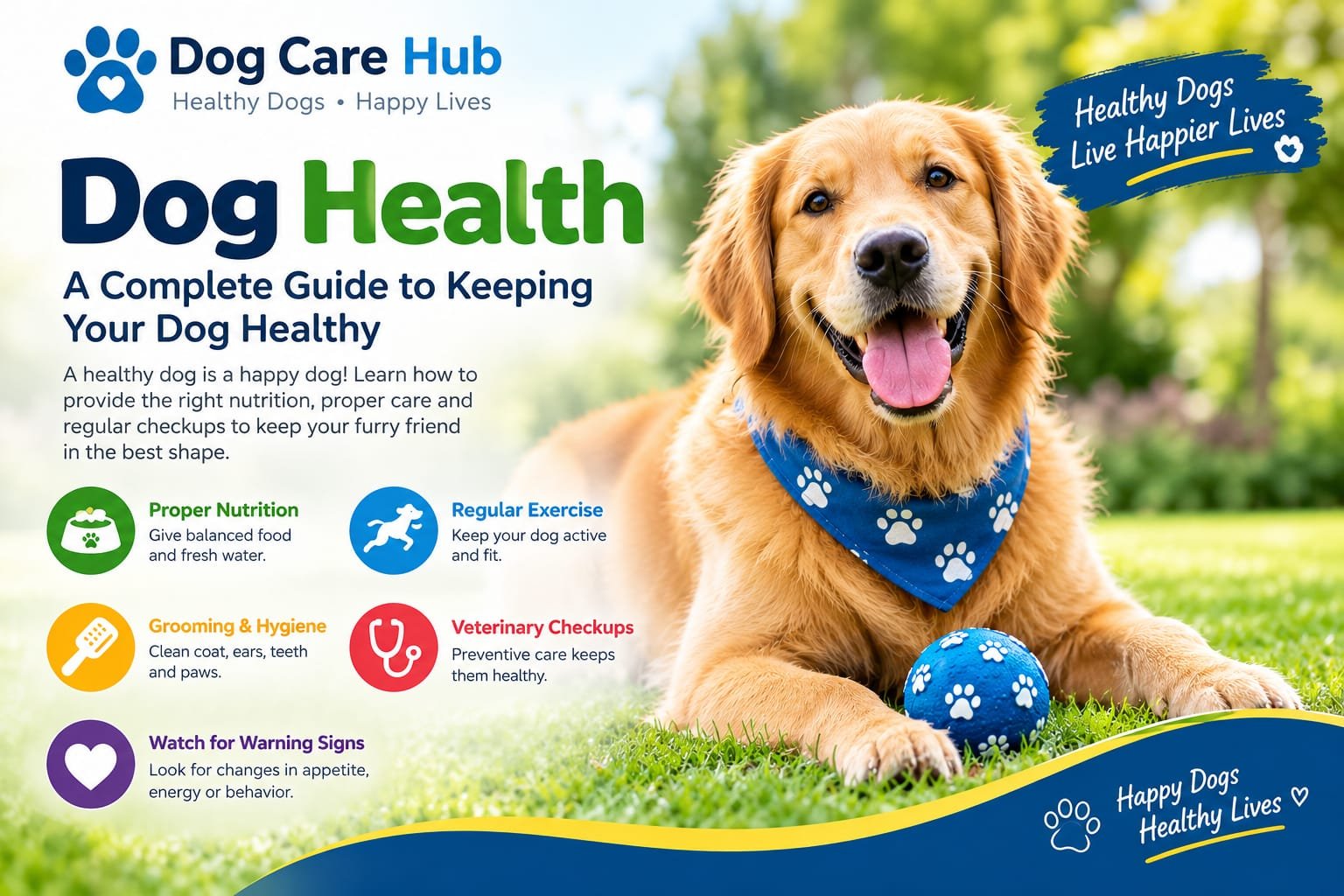
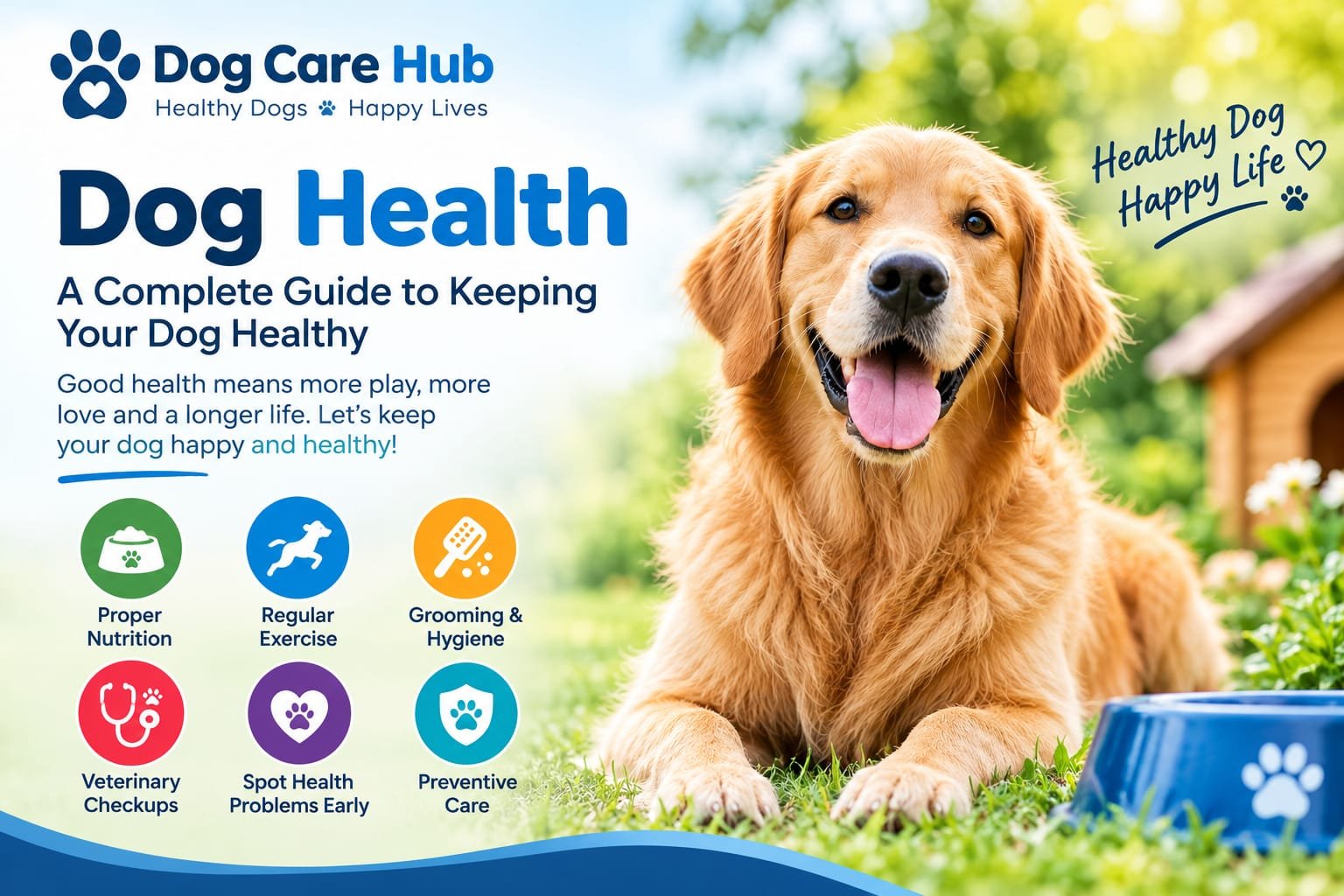
Dog health is an important part of responsible pet ownership. Dogs bring companionship, happiness, and loyalty into our lives, and they depend on their owners for Dog Health proper care, nutrition, exercise, and regular veterinary Dog Health attention. Keeping a dog healthy involves more than providing Dog Health food and water. It also means understanding their physical needs, Dog Health supporting their emotional well-being, and recognizing signs that may indicate a health problem.
Whether Dog Health you have a young puppy, an adult dog, or a senior companion, developing healthy daily habits can make a significant difference in your dog’s quality of life. Regular Dog Health checkups, balanced nutrition, grooming, dental care, and appropriate physical activity all contribute to Dog Health a healthier and more comfortable life.
This guide explains the essential aspects of dog health and provides practical advice to help you care for your pet at every stage of life.
1. Provide a Dog Health Balanced and Nutritious Diet
Proper nutrition is one of the foundations of good dog health. Dogs need a balanced diet that provides appropriate amounts of protein, fats, carbohydrates, vitamins, minerals, and water. Their nutritional requirements Dog Health depend on their age, size, activity level, and individual health needs.
Choose a complete and balanced dog food appropriate for your pet’s life stage. Puppies Dog Health generally need food formulated for growth, while adult dogs need maintenance Dog Health nutrition. Senior dogs may benefit from a diet selected according to their changing needs and veterinary advice.
Read food labels carefully and follow feeding recommendations as a starting point. Individual dogs may Dog Health need different portions depending on their activity and metabolism.
Avoid feeding your dog foods that can be dangerous, including chocolate, grapes, raisins, onions, garlic, and products containing xylitol. Cooked bones can also splinter and cause injuries or digestive problems.
If you want to change your dog’s diet, introduce the new food gradually unless a veterinarian advises otherwise. Sudden dietary changes Dog Health may cause digestive upset.
2. Make Fresh Water Available
Clean drinking water is essential for normal body functions, temperature regulation, and digestion. Your dog should have access to fresh water throughout the day.
Wash the water bowl regularly and refill it whenever necessary. Dogs that exercise, spend time outdoors, or experience warm weather may need additional water.
Pay attention to unusual changes in drinking habits. Excessive thirst or drinking much less than usual can sometimes indicate an underlying medical problem. Contact a veterinarian if these changes persist or occur alongside other symptoms.
Never restrict your dog’s water to prevent normal urination without veterinary guidance.
3. Schedule Regular Veterinary Checkups
Routine veterinary examinations help identify health concerns before they become more serious. Even if your dog appears healthy, regular appointments can help monitor weight, teeth, skin, mobility, and overall condition.
Puppies usually require several visits during their early months for vaccinations, parasite prevention, and growth monitoring. Adult dogs need checkups according to their health and lifestyle, while senior dogs may benefit from Dog Health more frequent assessments.
During a veterinary visit, ask about:
– Vaccination schedules and local disease risks.
– Flea, tick, and intestinal parasite prevention.
– Dental health and professional cleaning.
– Nutrition and appropriate feeding amounts.
– Weight management and physical activity.
– Screening tests based on age and medical history.
A veterinarian can create a care plan that fits your dog’s individual needs.
4. Keep Vaccinations Up to Date
Vaccinations protect dogs against several infectious diseases. Depending on your location and your dog’s circumstances, recommended vaccines may protect against diseases such as rabies, distemper, parvovirus, and adenovirus.
Some vaccines Dog Health are considered core vaccines, while others depend on local disease exposure, lifestyle, boarding arrangements, and veterinary recommendations.
Puppies generally need a series of vaccinations because protection develops over time. Adult dogs require follow-up vaccinations according to veterinary guidance and local requirements.
Keep vaccination records in a safe place and discuss any previous reactions or medical Dog Health concerns with your veterinarian before an appointment.
Vaccination is an important preventive measure, but it does not replace good hygiene, parasite control, and regular health checks.
5. Provide Regular Exercise and Mental Stimulation
Physical activity supports mobility, muscle strength, cardiovascular fitness, and healthy behavior. The right amount of exercise varies between individual dogs.
Some dogs enjoy longer walks and active games, while others need shorter, gentler activities. Puppies, senior dogs, Dog Health and dogs with medical conditions may require modified routines.
Suitable activities can include:
– Daily walks at an appropriate pace.
– Supervised play in a secure area.
– Fetch games for dogs that enjoy retrieving.
– Food puzzles and scent-based activities.
– Basic training sessions using positive reinforcement.
Avoid forcing a dog to exercise beyond its ability, particularly during hot weather. Watch for excessive panting, weakness, limping, or reluctance to continue.
Mental stimulation is equally important. Training, exploration, and interactive toys can help prevent boredom and support a dog’s emotional well-being.
6. Maintain Healthy Weight
Maintaining a suitable body condition helps reduce unnecessary stress on joints and supports general health. Both excessive weight and inadequate nutrition can affect a dog’s well-being.
You should be able to feel your dog’s ribs with gentle pressure, although their visibility varies by breed and body type. Your veterinarian can assess body condition and recommend an appropriate feeding plan.
Measure food portions rather than estimating them by eye. Treats should be offered in moderation and included in the overall daily food allowance.
If your dog gains or loses weight unexpectedly, consult a veterinarian. Sudden changes can sometimes be associated with medical conditions rather than diet alone.
Avoid extreme diets or rapid weight-loss plans. Gradual, veterinarian-guided changes are generally safer and more sustainable.
7. Take Care of Dental Health
Dental care is often overlooked, but healthy teeth and gums are important for a dog’s comfort and general well-being. Plaque can build up on teeth and contribute to gum inflammation and dental disease.
Brush your dog’s teeth regularly with a toothbrush and toothpaste specifically designed for dogs. Human toothpaste should not be used because some ingredients can be harmful if swallowed.
Introduce brushing slowly and reward calm behavior. If your dog has painful gums, broken teeth, heavy tartar, or persistent bad breath, arrange a veterinary examination.
Dental chews and approved dental products may support oral hygiene, but they do not replace brushing or professional care when needed.
8. Groom Your Dog Regularly
Grooming helps keep your dog Health comfortable and provides an opportunity to notice changes in the skin, coat, ears, and paws.
Brushing frequency depends on coat type. Long-haired dogs may need daily brushing to prevent tangles, while short-haired dogs often require less frequent grooming.
Bathe your dog when necessary using a suitable dog shampoo. Bathing too frequently or using harsh products may irritate the skin.
Check the ears for unusual odor, redness, or discharge. Trim nails carefully when needed, or ask a professional groomer or veterinary team for help.
After outdoor walks, inspect the paws for cuts, irritation, or foreign objects. If you notice persistent itching, bald patches, sores, or recurring ear problems, seek veterinary advice.
9. Protect Your Dog From Parasites
Fleas, ticks, mites, and intestinal worms can cause discomfort and, in some cases, serious health problems. The risk depends on your location, environment, lifestyle, and contact with other animals.
Ask your veterinarian to recommend appropriate parasite prevention. Products differ in their active ingredients, coverage, dosing schedules, and suitability for different ages and weights.
Never use a product intended for another animal species unless a veterinarian confirms that it is safe. Some products that are suitable for dogs can be dangerous to cats and other animals.
Check your dog’s coat after outdoor activities, especially if you live in an area where ticks are common. Wash bedding as needed and maintain a clean living environment.
If you see worms in your dog’s stool or notice persistent scratching, consult a veterinarian rather than relying on an unverified home remedy.
10. Understand Common Warning Signs
Knowing your dog’s normal behavior makes it easier to recognize when something is wrong. Changes in appetite, activity, breathing, drinking, urination, or bowel movements may indicate a health concern.
Contact a veterinarian if your dog develops persistent vomiting, diarrhea, coughing, unusual tiredness, skin irritation, or unexplained weight changes.
Seek urgent veterinary care for difficulty breathing, collapse, seizures, severe bleeding, suspected poisoning, a swollen abdomen accompanied by distress, or repeated unsuccessful attempts to vomit.
Do not give human medication to your dog unless a veterinarian specifically instructs you to do so. Some common medicines can be toxic to pets.
Early veterinary assessment can be important when symptoms are severe, sudden, or rapidly worsening.
11. Support Your Dog’s Emotional Well-Being
Good health includes emotional comfort as well as physical care. Dogs need a safe environment, predictable routines, opportunities to explore, and positive interactions with people.
Provide a comfortable sleeping area and enough time for rest. Use reward-based training to encourage desirable behavior instead of punishment that may create fear or anxiety.
Introduce new experiences gradually, particularly for puppies and nervous dogs. Supervised socialization can help dogs Health become more comfortable around unfamiliar people, environments, and other animals.
If your dog shows persistent fear, destructive behavior, or separation-related distress, discuss the issue with a veterinarian or a qualified behavior professional.
12. Create a Daily Dog Health Routine
A simple routine helps owners provide consistent care. Your schedule can be adjusted to your dog’s age, breed, health, and activity level.
Morning: Provide fresh water, feed an appropriate meal, and take your dog for a suitable walk or bathroom break.
Afternoon: Offer rest, safe enrichment activities, and another opportunity for exercise or toileting.
Evening: Provide the next scheduled meal, spend time on training or play, and check the dog’s paws, coat, and general behavior.
Weekly: Review grooming needs, clean food and water bowls thoroughly, and check supplies such as parasite prevention and waste bags.
Regularly: Schedule veterinary visits, update vaccinations when needed, and monitor changes in weight, appetite, mobility, and behavior.
Consistency makes it easier to identify unusual changes and maintain healthy habits.
Frequently Asked Questions About Dog Health
How often should a dog visit the veterinarian?
The appropriate schedule depends on age, medical history, and individual needs. Puppies usually need more frequent visits, while healthy adults often receive routine checkups annually. Senior dogs or pets with ongoing conditions may need more frequent assessments.
What is the best food for a healthy dog?
The best food is a complete and balanced diet suitable for your dog’s life stage and individual needs. Your veterinarian can recommend an appropriate diet if your dog has allergies, digestive problems, or another medical condition.
How much exercise does a dog need?
Exercise needs vary by breed, age, fitness, and health. Provide regular activity suited to your dog and adjust it during extreme weather or illness.
How can I tell if my dog is unwell?
Watch for changes in appetite, thirst, energy, breathing, movement, behavior, or bathroom habits. Severe or sudden symptoms require prompt veterinary attention.
Is grooming important for dog health?
Yes. Regular grooming helps maintain coat condition, supports skin checks, and allows owners to notice problems affecting the ears, paws, nails, and skin.
Conclusion
Maintaining good dog health requires consistent attention to nutrition, hydration, exercise, preventive veterinary care, dental hygiene, grooming, and emotional well-being. Small daily habits can make it easier to support your dog’s comfort and identify potential health concerns early.
Every dog has individual needs, so general advice should be adapted with help from a qualified veterinarian. By providing balanced food, clean water, appropriate activity, and a safe environment, you can help your dog enjoy a healthier and happier life.
Responsible care is an ongoing commitment, but it can strengthen the bond between you and your pet while supporting their long-term well-being.